The Moment: November 2026
In this issue
A ninth grader sits across a table in an empty Oakland high school cafeteria. She’s just been caught using drugs. At most schools, what comes next would be a disciplinary record that might follow her for years. Instead, the Stanford doctoral student across from her asks a question: What kind of person do you want to be?
Her answer, and the letter she’ll deliver to a teacher she trusts, are at the heart of Rhana Hashemi’s research. By working with teachers she calls “possibility architects,” Hashemi hopes to help students like this ninth grader plot a different trajectory for themselves.
Hashemi’s story is one of three we’re sharing this month, and as we worked on it, something struck us. “Possibility architect,” with just a little squinting, is a perfect description of Stanford itself. The university doesn’t just produce excellence (Nobel much?). It creates the conditions where excellent possibilities take shape.
You’ll see that all through this new issue. We celebrate our unprecedented 50-year NCAA streak, interviewing one champion from each decade about their time at the Farm—and where life has taken them since. We profile Alvin Roth, the Stanford economist and Nobel laureate who’s bringing his kidney exchange model to India and Brazil, where it’s desperately needed. And we show how Hashemi’s work could change the way schools across the country respond to students in crisis.
Each of these stories began with someone asking what could be. Read on to see what they found.
Fifty and counting
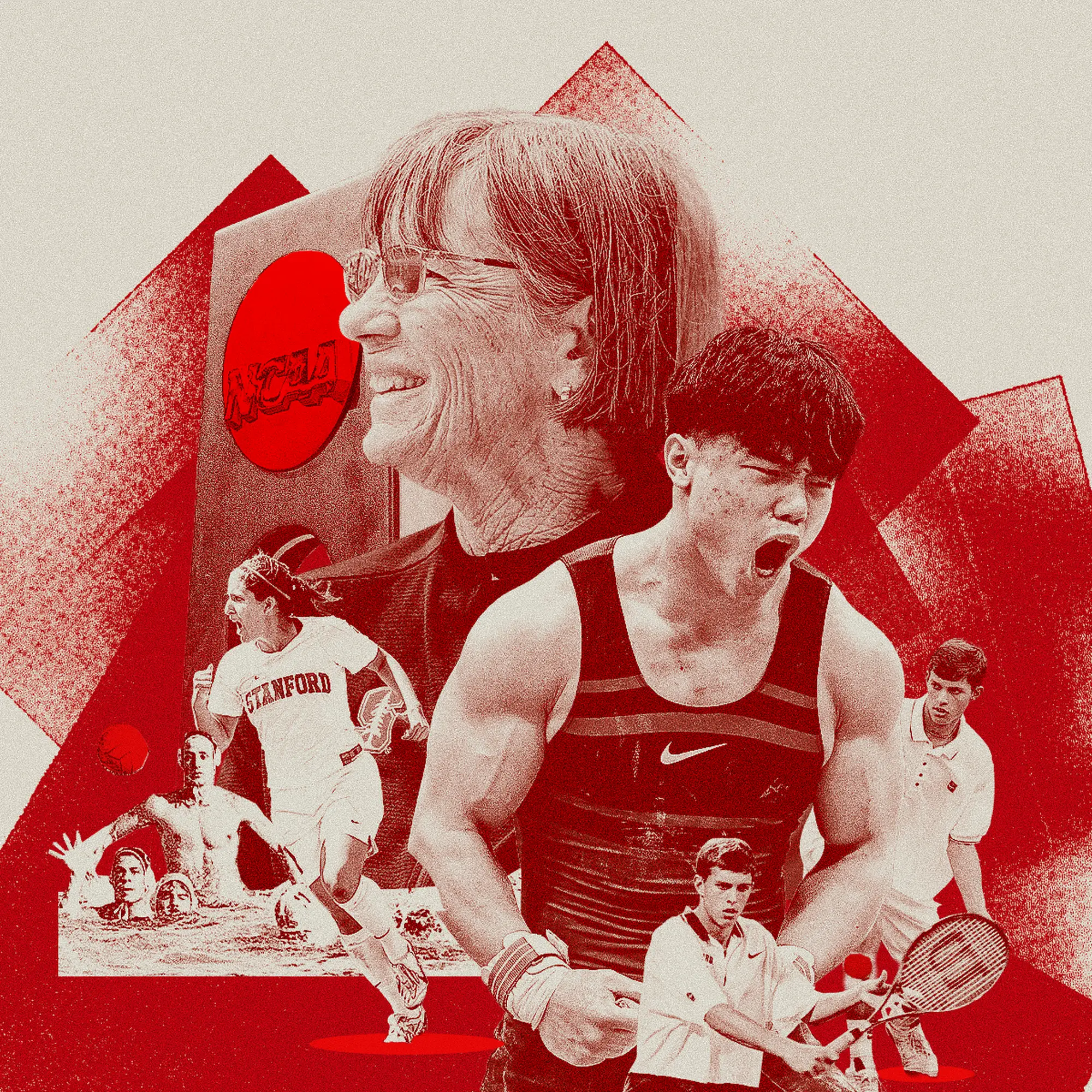
In 1976, Stanford snagged an NCAA title—a one-goal water polo win in Long Beach—and so began the longest championship streak in college sports. We caught up with champions from each decade since, including a gymnast gunning for the 2028 Olympics and one phenomenally winning coach.
Fifty and counting
Meet the championsIn 1976, Stanford snagged an NCAA title—a one-goal water polo win in Long Beach—and so began the longest championship streak in college sports. We caught up with champions from each decade since, including a gymnast gunning for the 2028 Olympics and one phenomenally winning coach.
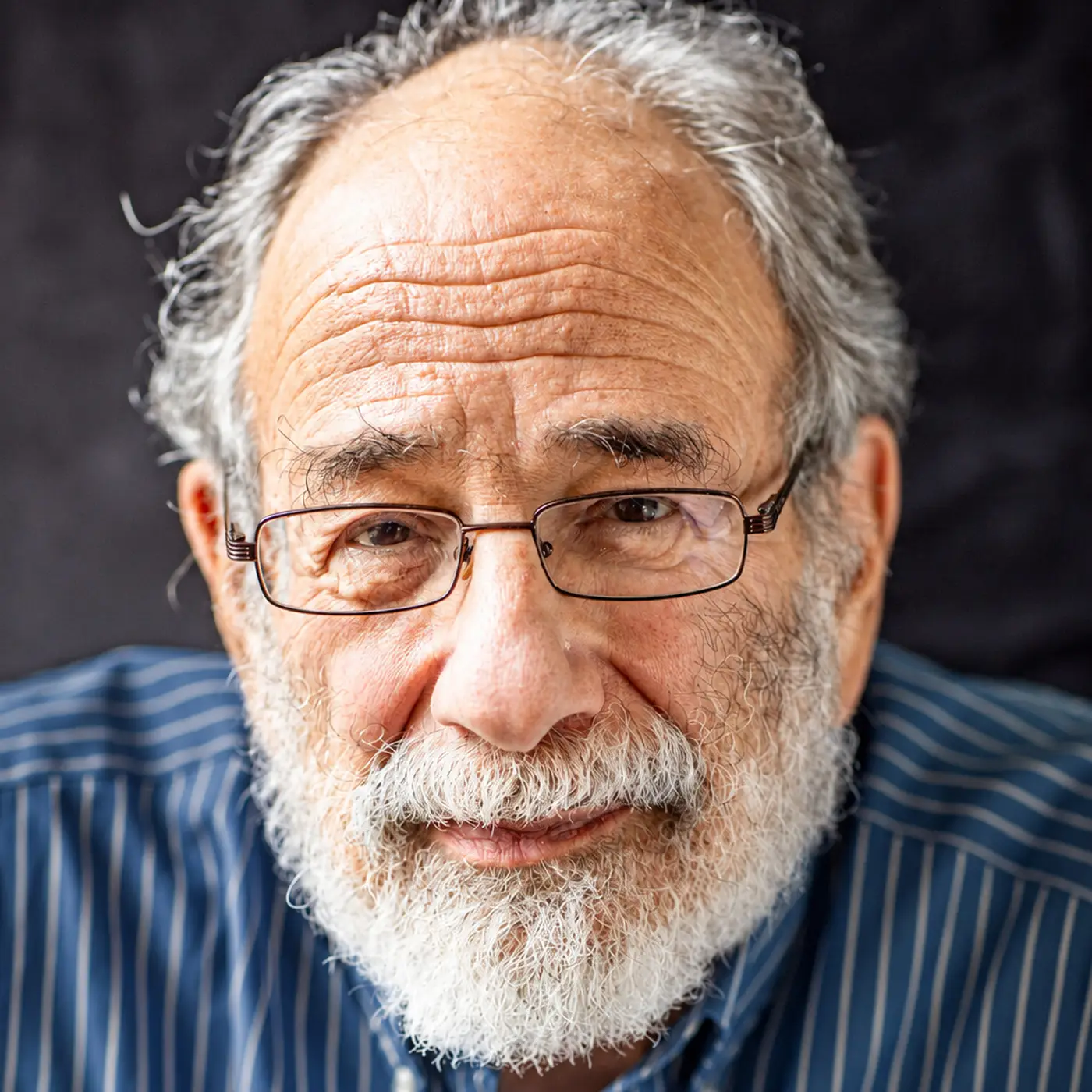
Photo: Timothy Archibald
The kidney matchmaker
See how exchange worksAlvin Roth helped design a kidney exchange program that has saved thousands of lives. With support from Stanford Impact Labs, he’s now expanding that program to India and Brazil, where patients have limited options for finding a compatible donor.
Rhana Hashemi. Photo: Julien James
What kind of person do you want to be?
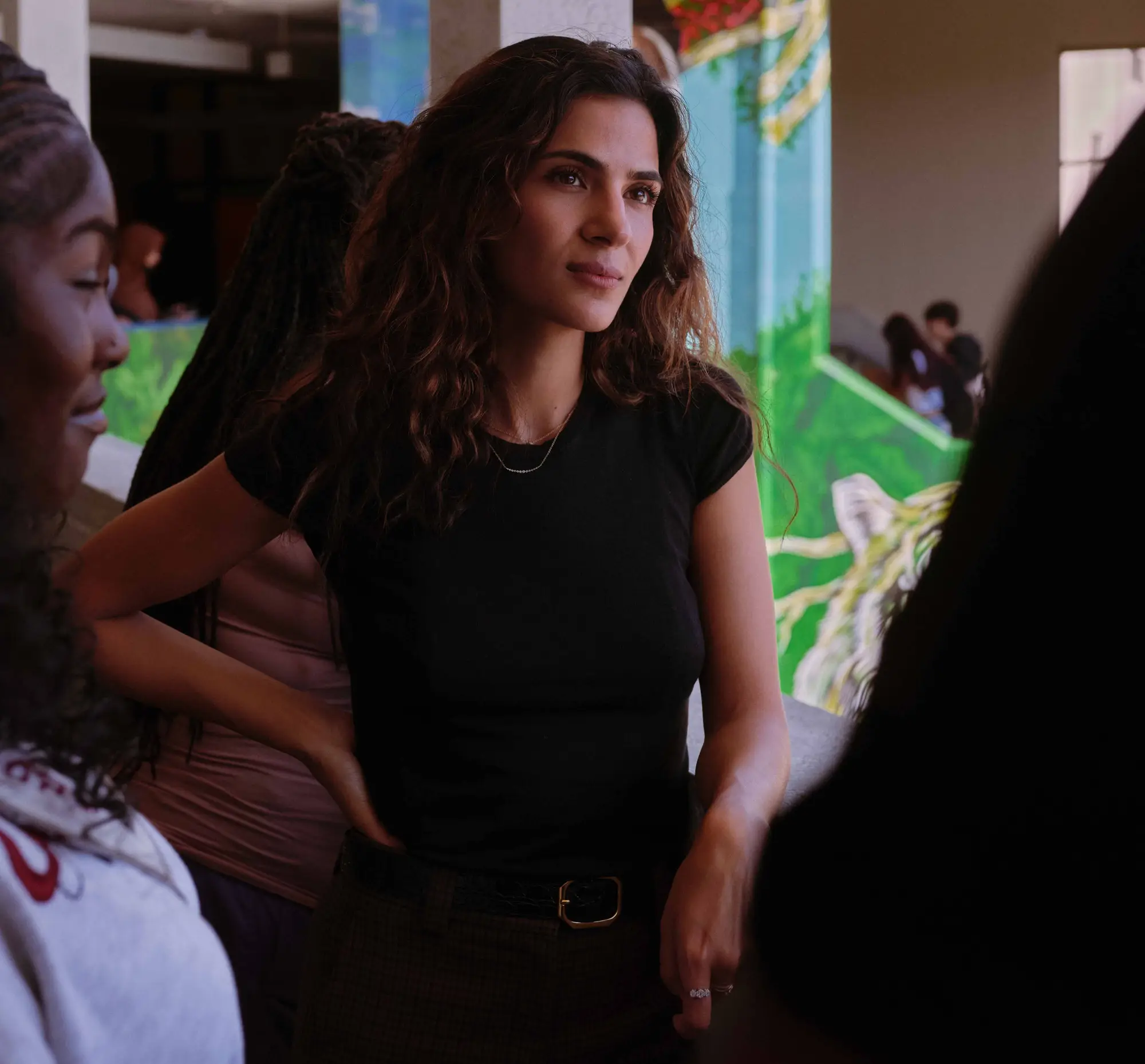
Read Hashemi’s storyWhen teens returning from juvenile detention reflected on their goals and introduced themselves to a teacher they trusted, recidivism dropped 40 percent. Now Rhana Hashemi is testing whether a similar approach can help students caught with drugs at school.

